This native blackberry relative produces a tasty berry considered by many to be the choicest of our PNW native berries. The flowers are small and white-pink, attracting native pollintaors.
The scientific name means “white skin,” referring to the whitish/bluish-white color on the canes, which are striking in the part-shade landscape. The canes will grow to about 6 ft. tall over time and can form sparse thickets, which make good habitat for small birds and mammals. Plant this one in a wilder section of your landscape — it is not a tidy plant, even though it is beloved for its yummy fruits and habitat-creation qualities.
Plant it in full sun to part shade — it will require more water to get established in sun, but more sun will produce sweeter fruits.
This native blackberry relative produces a tasty berry considered by many to be the choicest of our PNW native berries. The flowers are small and white-pink, attracting native pollintaors.
The scientific name means “white skin,” referring to the whitish/bluish-white color on the canes, which are striking in the part-shade landscape. The canes will grow to about 6 ft. tall over time and can form sparse thickets, which make good habitat for small birds and mammals. Plant this one in a wilder section of your landscape — it is not a tidy plant, even though it is beloved for its yummy fruits and habitat-creation qualities.
Plant it in full sun to part shade — it will require more water to get established in sun, but more sun will produce sweeter fruits.

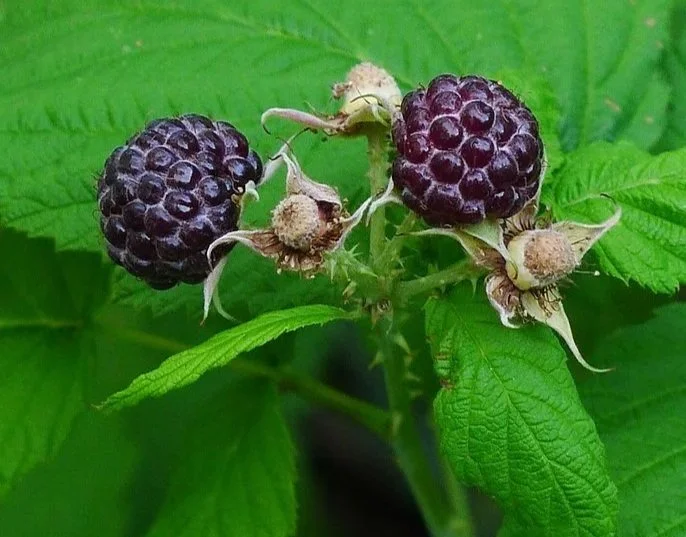 Image 1 of 3
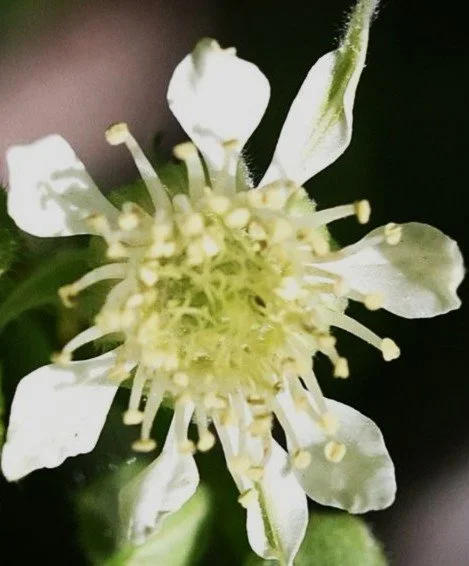 Image 2 of 3
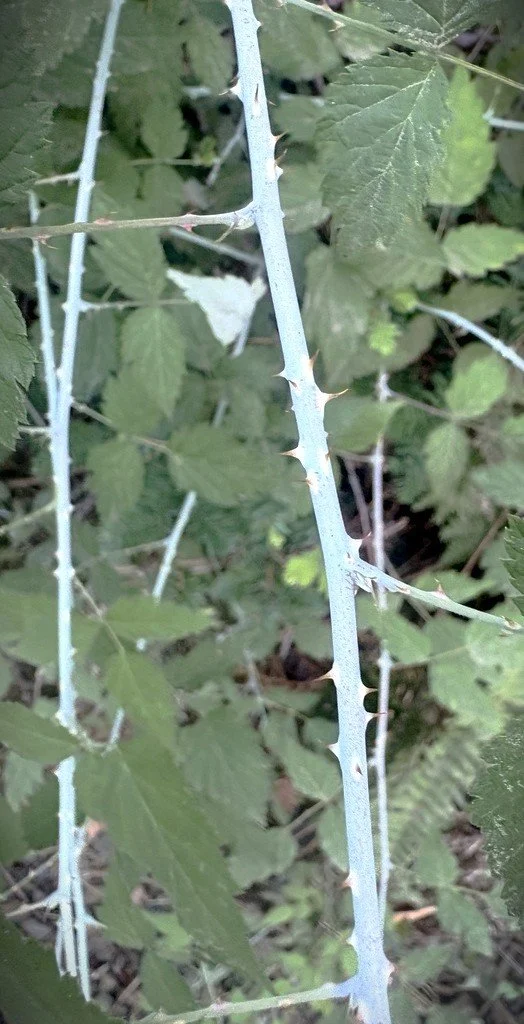 Image 3 of 3