
 Image 1 of 5
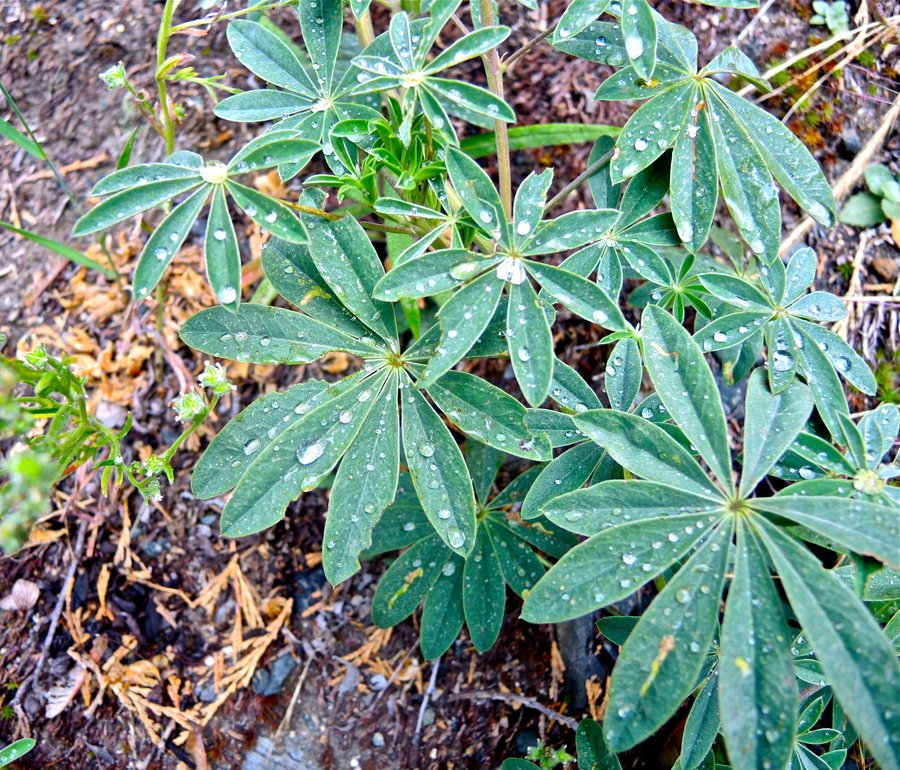 Image 2 of 5
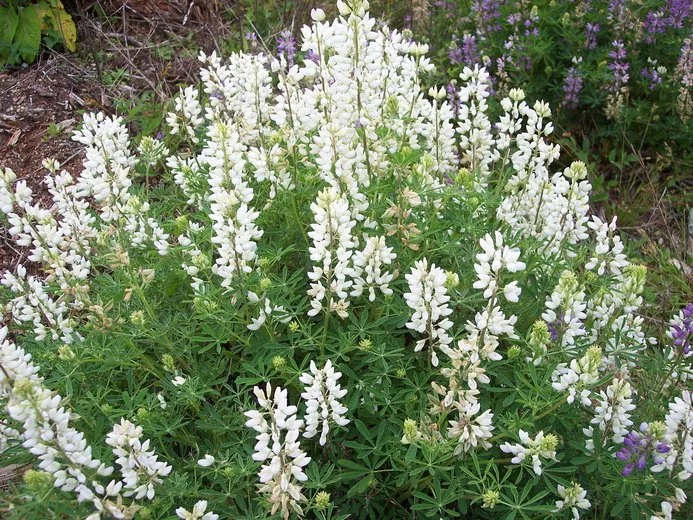 Image 3 of 5
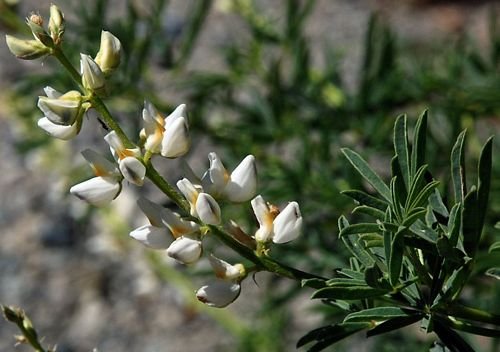 Image 4 of 5
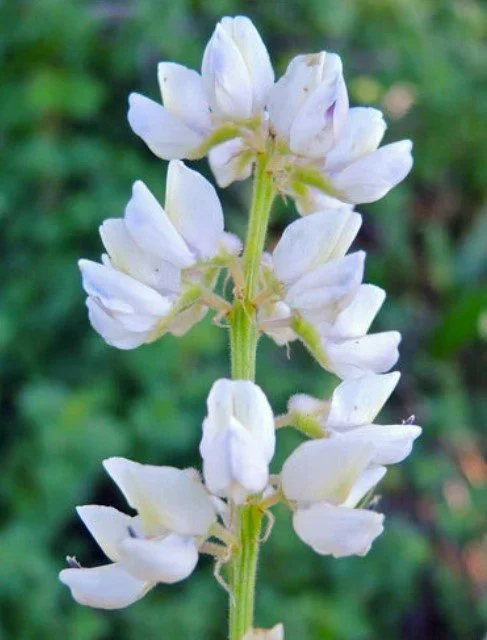 Image 5 of 5
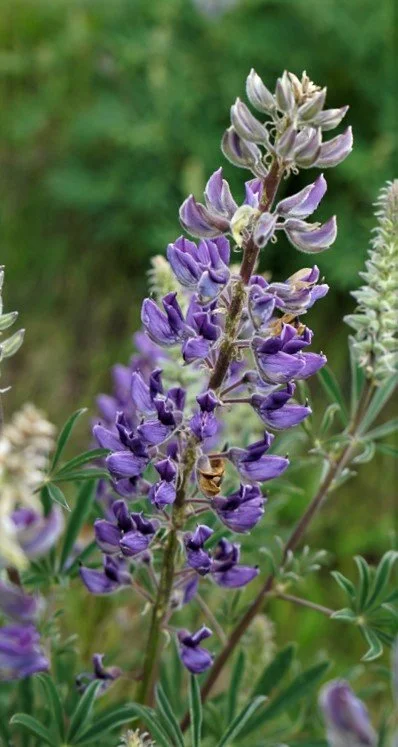
This lupine is native to our sunny, dry South Salish prairies, and these offered here were propagated from local seeds. Clusters of tidy, fuzzy lupine foliage emerge in mid-spring, with the large flower spikes following in early summer. The flower stalks can be 6-20 in. tall, each filled with many pea-shaped flowers in purple, dull-white, or yellow.
Like other legumes, they can fix nitrogen from the atmosphere into ammonia via a rhizobium - root nodule symbiosis, fertilizing the soil for other plants. This adaptation allows lupines to be tolerant of infertile soils and capable of pioneering change in barren and poor-quality soils.
Sickle-keeled lupine is an important host for several native butterflies, moths, and other pollinators, and our native hummingbirds also find it attractive. Small mammals will use the plant as shelter and birds will eat the seeds. It is not palatable for browsing by larger mammals.
This lupine is native to our sunny, dry South Salish prairies, and these offered here were propagated from local seeds. Clusters of tidy, fuzzy lupine foliage emerge in mid-spring, with the large flower spikes following in early summer. The flower stalks can be 6-20 in. tall, each filled with many pea-shaped flowers in purple, dull-white, or yellow.
Like other legumes, they can fix nitrogen from the atmosphere into ammonia via a rhizobium - root nodule symbiosis, fertilizing the soil for other plants. This adaptation allows lupines to be tolerant of infertile soils and capable of pioneering change in barren and poor-quality soils.
Sickle-keeled lupine is an important host for several native butterflies, moths, and other pollinators, and our native hummingbirds also find it attractive. Small mammals will use the plant as shelter and birds will eat the seeds. It is not palatable for browsing by larger mammals.