
 Image 1 of 2
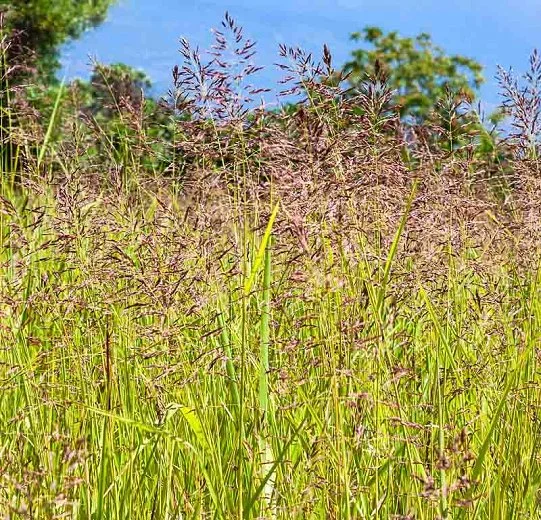 Image 2 of 2
Native to many parts of North America, but this particular offering was propagated from seeds of the bunchgrass that is native to our South Salish prairies and plays an important role in the prairie ecosystem as the larval host to several butterflies.
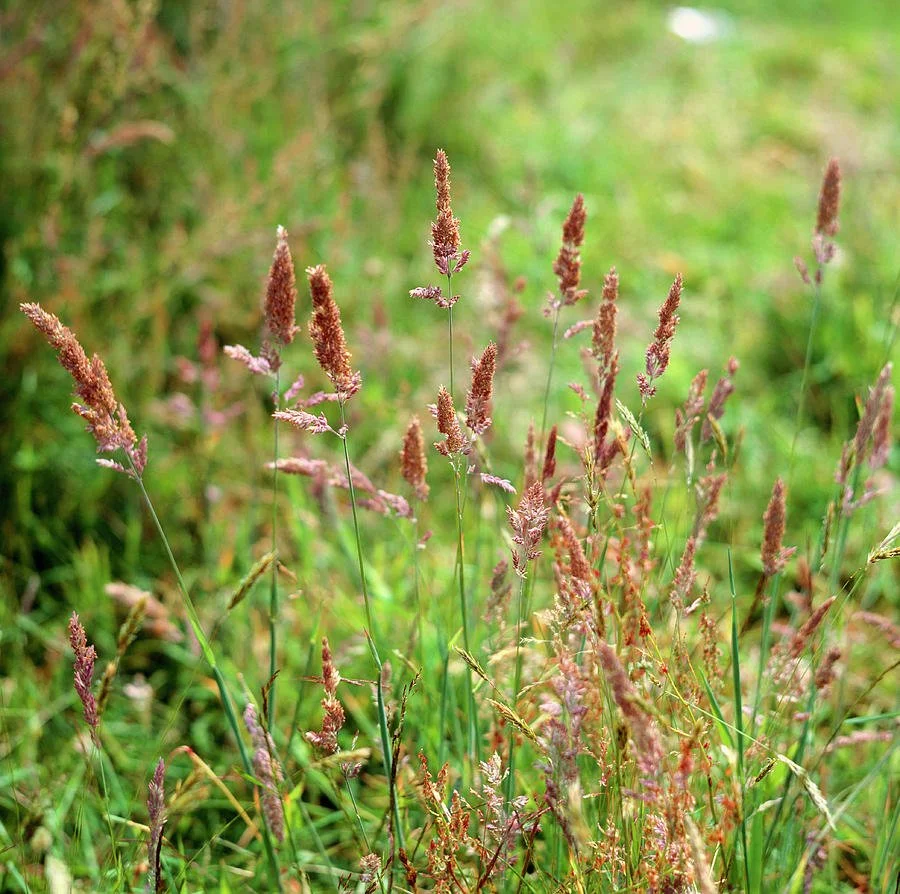
It"s a medium-sized (12-24 in. high) loosely-tufted, fine-leafed bunchgrass that spreads with underground rhizomes. Its fine grass-blades are reddish at the base, but blue-ish above, and the flower spikelets are reddish-purple to glaucous green. Ideally suited for natural landscapes.
It thrives best in well-drained soils in cool, temperate climates, and while it"s found in full sun on the prairie, it is tolerant of some shade. It can also be sheared back/mowed occasionally to keep it looking tidy.
Native to many parts of North America, but this particular offering was propagated from seeds of the bunchgrass that is native to our South Salish prairies and plays an important role in the prairie ecosystem as the larval host to several butterflies.
It"s a medium-sized (12-24 in. high) loosely-tufted, fine-leafed bunchgrass that spreads with underground rhizomes. Its fine grass-blades are reddish at the base, but blue-ish above, and the flower spikelets are reddish-purple to glaucous green. Ideally suited for natural landscapes.
It thrives best in well-drained soils in cool, temperate climates, and while it"s found in full sun on the prairie, it is tolerant of some shade. It can also be sheared back/mowed occasionally to keep it looking tidy.