
 Image 1 of 3
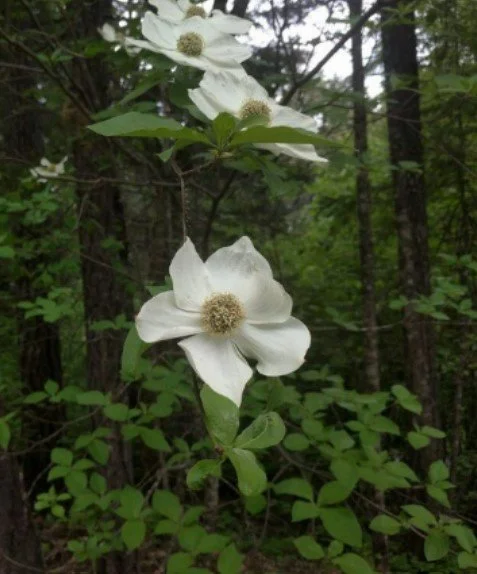 Image 2 of 3
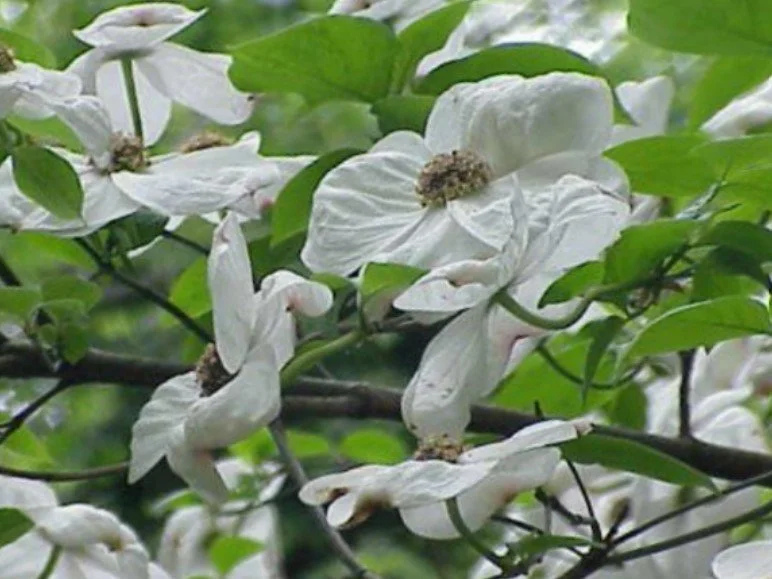 Image 3 of 3
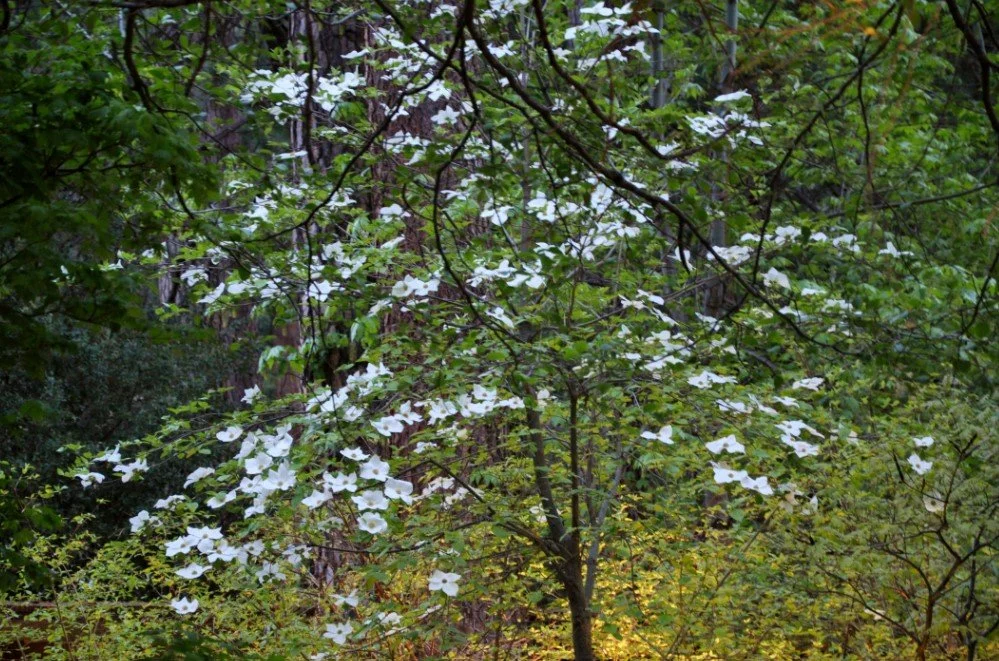
With its iconic, creamy-white flowers, beautiful pinkish-orange autumn foliage, and attractive growth form, Pacific Dogwood is a much-sought-after specimen tree for a naturalistic, PNW native plant-rich landscape. A broad-leaved deciduous tree, Pacific Dogwoods ultimately can grow 20-30 ft. tall. In late summer or autumn, this tree provides a feast for songbirds who arrive in droves to devour the fruit: grosbeaks, waxwings, pileated woodpeckers, and flickers are a sight to behold!
When placed in the right site conditions, our Pacific Dogwood can be long-lived and easy to grow, but attention must be paid to mimicking the ideal natural conditions or else the tree could be susceptible to the Dogwood Anthracnose. Remember the mantra: ''Feet in the shade, branches reaching to the sun.'' Plant in part shade, in cool, humus-rich, well-draining soils. It's best to plant among smaller companion plants (other native shrubs and ferns), so that it can reach its branches out toward the sun as it matures.
While establishing, provide deep, infrequent summer irrigation for the first few years, then taper and ultimately cut off all supplemental water, and avoid disturbing the soil within a few feet of the trunk: these steps will help prevent the anthracnose.
With its iconic, creamy-white flowers, beautiful pinkish-orange autumn foliage, and attractive growth form, Pacific Dogwood is a much-sought-after specimen tree for a naturalistic, PNW native plant-rich landscape. A broad-leaved deciduous tree, Pacific Dogwoods ultimately can grow 20-30 ft. tall. In late summer or autumn, this tree provides a feast for songbirds who arrive in droves to devour the fruit: grosbeaks, waxwings, pileated woodpeckers, and flickers are a sight to behold!
When placed in the right site conditions, our Pacific Dogwood can be long-lived and easy to grow, but attention must be paid to mimicking the ideal natural conditions or else the tree could be susceptible to the Dogwood Anthracnose. Remember the mantra: ''Feet in the shade, branches reaching to the sun.'' Plant in part shade, in cool, humus-rich, well-draining soils. It's best to plant among smaller companion plants (other native shrubs and ferns), so that it can reach its branches out toward the sun as it matures.
While establishing, provide deep, infrequent summer irrigation for the first few years, then taper and ultimately cut off all supplemental water, and avoid disturbing the soil within a few feet of the trunk: these steps will help prevent the anthracnose.